Bildnachweis: LEYTON, VentureCapital Magazin, Pixabay.
When the pandemic broke out in 2020, medical research around the world was under intense pressure. Everything had to happen at once: the so-called CMC development of a therapeutic antibody, preclinical testing in the laboratory and, finally, clinical trials in humans. A young company from Braunschweig, Germany, achieved something remarkable during this period – and is now being rewarded retrospectively with more than EUR 1.3 million from Germany’s R&D tax incentive.
Racing against time
Marie-Ann Dhaen, biologist and Project Director at Corat Therapeutics, recalls the early days of the pandemic: ‘There were no effective therapies, and severe cases were increasing every day. We knew that if we wanted to help, we had to move extremely fast.’
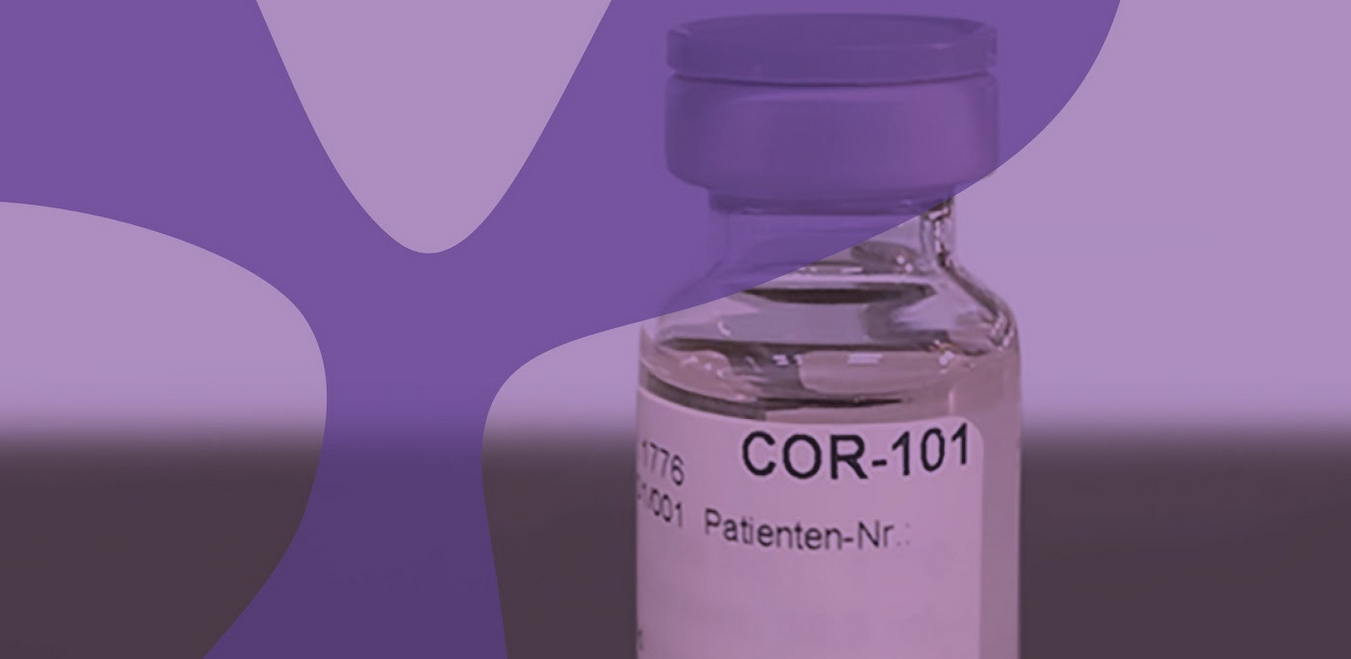
The team advanced an approach originally developed by Prof. S. Dübel and M. Hust at the TU Braunschweig and brought it into clinical use: an antibody against SARS-CoV-2. Within just eleven months, the first 45 patients were treated with the new therapy. Dhaen explains: ‘COR-101 prevented moderate to severe cases from progressing to a critical stage with high mortality. In that sense, our work had the potential to save lives.’
Research in a small team
Corat operates with a team of around ten employees. The company does not run its own laboratories; research, manufacturing, preclinical, and clinical development are carried out with specialised partners. ‘That means a huge amount of coordination between manufacturing, preclinical research, clinical development, and regulatory processes,’ says Stefanie Herrmann, Chief Technical Officer. ‘In such a set-up, every additional financial resource plays a crucial role in advancing development.’ Corat only discovered the possibility of claiming the R&D tax incentive in August 2025. Funding specialist LEYTON reviewed which programmes might be suitable for the company. Particularly relevant was the German ‘Forschungszulage’, which can be claimed retrospectively for up to four years.
Translating scientific work
Based on financial and development documentation prepared by Corat for regulatory submissions, Dr Saskia Graf, scientific consultant at LEYTON, drafted the project outline for the funding application. ‘The Forschungszulage can be combined with other funding schemes, but it does not allow double funding of the same eligible expenses,’ explains the biochemist. For this reason, LEYTON’s scientific and financial business units work closely together to prepare research projects in a way that allows evaluators to immediately recognise the innovation behind them – and whether the funding criteria are met. ‘Dr Graf formulated our descriptions precisely and highlighted the critical points,’ adds Herrmann. ‘That certainly helped ensure the funding was approved.’
A basis for future projects
‘The funding has helped us greatly, particularly with follow-up projects,’ says Dhaen. Corat is already working on new approaches, including further antibodies and innovative inhalation therapies for severe bacterial lung infections. ‘For research-driven biotech companies, financing is crucial, and public funding programmes are an important building block,’ Dhaen explains. ‘This project has shown us the potential they offer.’ In the future, Corat plans to use funding programmes more systematically and strategically – continuing its collaboration with LEYTON.

Learn more about the German ‘Forschungszulage’ at: Leyton.com/de
Learn more about LEYTON International at: Leyton.com
Result:
Thanks to funding specialist LEYTON, Corat Therapeutics received scientific approval for their COVID-19 project – and EUR 1.35 million from the German ‘Forschungszulage’.