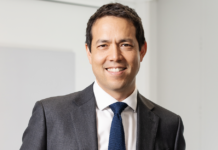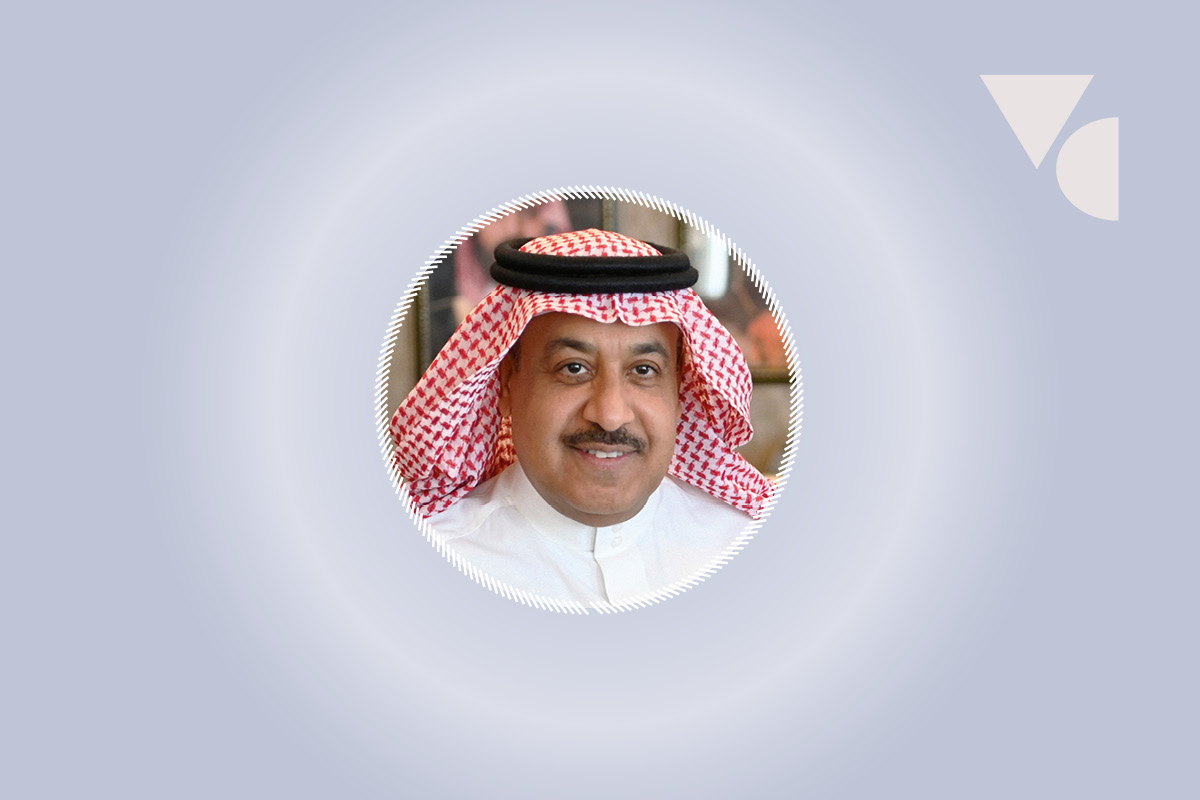
Bildnachweis: Ministry of National Guard Health Affairs (MNGHA).
Saudi Arabia is positioning itself as a life sciences hub with capital, healthcare scale, and a clear biotechnology strategy. In this interview, Bandar Alknawy explains why international partnerships matter, where Europe and the Kingdom of Saudi Arabia complement each other, and how research can translate into companies and better patient outcomes.
VC Magazin: Saudi Arabia is increasingly establishing itself as an important life sciences hub. From your perspective, what are the key factors making the Kingdom attractive to international biotech and healthcare companies?
Alknawy: Saudi Arabia combines several advantages rarely found together: strong
national commitment, investment capacity, a sophisticated healthcare system, expanding
research capabilities, and a clear strategy. The National Biotechnology Strategy prioritises vaccines, biomanufacturing and localisation, and genomics, targeting more than USD 34.6 billion in contribution to non-oil GDP from the biotechnology sector by 2040 and 11,000 high-quality jobs by 2030. What matters for international companies is that the Kingdom is not simply importing innovation. We want to build capabilities, develop talent, localise technologies, and create partnerships that generate lasting value.
VC Magazin: You represent the Ministry of National Guard Health Affairs, King Saud bin Abdulaziz University for Health Sciences, and the King Abdullah International Medical Research Center. How do these three institutions work together, and how is Saudi Arabia translating research into tangible businesses?
Alknawy: Our strength comes from integration. The Ministry of National Guard Health Affairs (MNGHA) provides a major clinical environment, King Saud bin Abdulaziz University for Health Sciences (KSAU-HS) develops the scientific and healthcare workforce, and the King Abdullah International Medical Research Center (KAIMRC) provides the research infrastructure to move science toward clinical application. The next step is equally important: translating discoveries into technologies, start-ups, and industry partnerships. The KAIMRC is building this pathway through international R&D collaborations, including work with AstraZeneca in gene therapy and rare-disease drug discovery, connecting scientific expertise with clinical development and localisation.
VC Magazin: For European biotech companies, access to clinical data, patient cohorts
and real-world care settings is a key consideration. What opportunities does Saudi Arabia offer international partners in clinical trials, precision medicine, and data-driven healthcare research?
Alknawy: Saudi Arabia offers clinical scale, diverse patient populations, advanced
healthcare institutions as well as growing genomics and health data capabilities, supporting
carefully governed collaborations. MNGHA’s BestCare system links our medical campuses through an integrated patient record network, creating a strong foundation for appropriately governed clinical research. Genomics is particularly important. The National Biotechnology Strategy calls for the expansion of national genomic data and analytical capabilities, and greater integration of genomics into prevention, diagnosis, and treatment. International partners can contribute expertise while working with Saudi institutions that understand the population and research priorities, built around rigorous scientific, ethical, and regulatory standards. The Kingdom’s patient population exceeds 32 million, and the Saudi Genome Program has analysed more than 61,000 of its 100,000-sample target. KAIMRC, the Kingdom’s first phase I trial site, conducted Saudi Arabia’s first phase I study, the MERS vaccine programme with the University of Oxford, and combines early-phase capability with multicentre patient access, genomics, and biobanking.
VC Magazin: Europe has strong biotech research capabilities and many innovative start-ups, while Saudi Arabia offers capital, growing healthcare infrastructure, and an ambitious transformation agenda. Where do you see the greatest complementary strengths, and what could a genuine win-win partnership look like?
Alknawy: Europe brings deep scientific expertise, mature biotechnology clusters, specialised SMEs, and considerable experience in translating research into products. Saudi Arabia brings healthcare scale, investment, infrastructure, a growing talent base, and a national commitment to biotechnology. A successful partnership should go beyond a buyer-supplier relationship, whether through joint research, clinical development, technology transfer, local manufacturing, or co-investment. In biomanufacturing, European expertise can complement Saudi Arabia’s efforts to build domestic capacity and strengthen regional supply, accelerating capability building for the Kingdom while creating new opportunities for European companies in a growing regional market.
VC Magazin: The Riyadh Global Medical Biotechnology Summit (RGMBS), taking place in mid-September, is co-organised by you. What can companies and investors expect from the summit? How are German partners such as leap:up supporting you in this initiative?
Alknawy: RGMBS is designed to connect science with implementation. In 2024, the summit concluded with 40 agreements and more than USD 100 million in associated deal value, demonstrating its ability to move beyond discussion toward partnership. From 14 to 16 September in Riyadh, we are bringing together scientists, biotechnology companies, investors, policymakers, and healthcare leaders across genomics, cell and gene therapy, vaccines and biomanufacturing, AI, drug discovery, and biotechnology investment. The programme also creates practical routes to engagement through investment-focused sessions, the Life Sciences Innovation Forum, and structured bilateral meetings. Our German relationships reflect the same approach. KAIMRC and leap:up have signed a memorandum of understanding, while leap:up brings valuable experience in life sciences commercialisation, ecosystem development, and German biotech connections. RGMBS is where we want these relationships to move from discussion to concrete collaboration, and we welcome European partners who are ready to build with us.
VC Magazin: What would you recommend to European and German companies looking to establish partnerships in Saudi Arabia?
Alknawy: Approach Saudi Arabia as a longterm partner rather than simply as a market.
Understand the priorities of the National Biotechnology Strategy and identify where your technology or expertise addresses a genuine healthcare, research, or industrial need. I would also encourage European and German companies to explore where we can develop innovations together, not simply transfer existing technologies into the Saudi market. At KAIMRC, we have capabilities in areas including medical genomics and heat-stress research, creating opportunities around challenges of growing international relevance. Finally, engage early with Saudi research institutions, healthcare systems, investors, and government entities. Strong local partnerships help companies understand the regulatory environment and identify opportunities for clinical research, localisation, and investment.
VC Magazin: What role do you see for Europe within the framework of Saudi Arabia’s National Biotechnology Strategy 2040?
Alknawy: Europe can be an important partner in achieving the Strategy’s ambition to position Saudi Arabia as the leading biotechnology hub in the Middle East and North Africa by 2030, and globally by 2040. European universities, research institutes and biotechnology companies bring capabilities aligned with Saudi priorities in vaccines, biomanufacturing, and genomics. Saudi Arabia, in turn, offers a platform for research, investment, clinical collaboration and manufacturing. Cooperation should also extend beyond individual technologies, into talent development, regulatory science, and technology transfer. By 2040, success should not be measured by how many European companies enter Saudi Arabia, but by what we build together: technologies, companies, skilled talent, and, most importantly, better solutions for patients.
VC Magazin: Thank you very much.
About the interview partner:
Bandar Alknawy MD, FRCPC, is Chief Executive Officer of the Ministry of National Guard Health Affairs (MNGHA) and President of King Saud bin Abdulaziz University for Health Sciences (KSAU-HS) and King Abdullah International Medical Research Center (KAIMRC). His leadership spans healthcare delivery, academic medicine, research, digital health, and medical biotechnology, alongside national roles as an Executive Member of the Saudi Health Service Council and a member of the Health Sector Transformation Program. A physician trained in internal medicine and gastroenterology, he has led major institutional and strategic initiatives across Saudi Arabia’s healthcare and research landscape.