Bildnachweis: Tubulis.
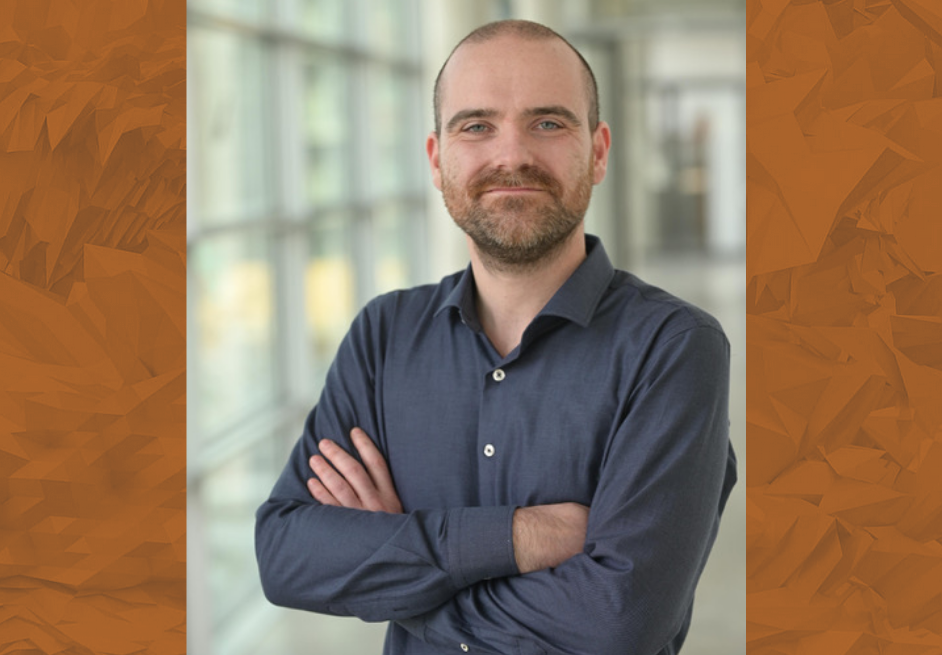
Tubulis wants to improve the efficacy of cancer therapies by using antibody drug conjugates (ADCs). Three pipeline products are currently in clinical development. ‘We are where we are today thanks in part to the commitment of German and European investors,’ says CEO Dr Dominik Schumacher.
A wide range of local and international venture capital investors, in conjunction with development deals with partners from the biopharmaceutical industry, has laid the foundation for the German biotech company Tubulis to develop its clinical pipeline candidates until the proof-of-concept studies. A total of 13 investment companies participated in the series B2 financing round of EUR 128 million, which was closed in March 2024. The consortium includes BioMedPartners and High-Tech Gründerfonds as active investors in the series A financing round of EUR 10.7 million in July 2020. The list of newcomers includes EQT Life Sciences and Nextech Invest Ltd, the two consortium leaders, as well as the US companies Frazier Life Sciences and Deep Track Capital.
New targets for ADC therapies in oncology
The declared goal of Tubulis is to significantly improve the therapeutic potential of antibody-drug conjugates (ADCs) in oncology. ‘ADCs have become an integral part of tumor therapy and will be used more and more as combination therapies where they can replace traditional chemotherapy,’ explains Dr Dominik Schumacher, CEO and co-founder of Tubulis. As with other cancer therapies, developing resistance is a main obstacle for ADCs. ‘We therefore believe that the next wave of innovation will focus on alternative payload mechanisms for the release of cytotoxins to fight tumours,’ says Schumacher. ‘Our Alco5 technology is another important step in this direction as it enables the conjugation of previously inaccessible compounds to develop new therapy approaches for patients which have developed resistances.’ With its three platforms, Tubulis aims to develop new ADC drugs. Two financially lucrative partnerships underpin the commercialisation potential. The first deal with the US pharma company Bristol Myers Squibb was closed in April 2023.
The licence agreement includes an upfront payment of USD 22.75 million and milestone payments potentially totalling over USD 1 billion plus tiered royalties on net product sales. In December 2024, Tubulis closed an exclusive option and licence agreement with the Californian biotech company Gilead Sciences to develop an ADC candidate for a select solid tumour target. Following an USD 29 million upfront payment; an additional USD 30 million will be paid once Gilead exercises its option for a toxin conjugate, and up to USD 415 million as milestone payments.
Three compounds have entered clinical stage
In total, three compounds from the Tubulis pipeline have entered clinical stage of trials within twelve months. These include TUB-030 and TUB-040, the two proprietary clinical candidates. The first results from the clinical trial of TUB-040 as therapy against ovarian and non-small cell lung cancer are expected this year. In the long term, Tubulis aims to establish itself as a globally leading biotech company in the development of ADCs with an IPO as one of several future strategic options.
Outlook
International expansion is one strategy that is already being executed by Tubulis. In this context, the office at the Cambridge Innovation Center in the US and the branch at the Biopôle in Switzerland have been achieved as milestones. At the same time, Tubulis intends to further expand its headquarters in the Innovation and Start-up Center for Biotechnology (IZB) in Martinsried near Munich. According to Schumacher, Tubulis enormously benefits from the proximity to leading research institutions such as the Ludwig Maximilian University, the Max Planck Institute of Biochemistry and the Helmholtz Center Munich: ‘This unique biotech ecosystem promotes exchange with other startups and facilitates the transfer of scientific innovations into practice and enables access to highly qualified talents from the region.’