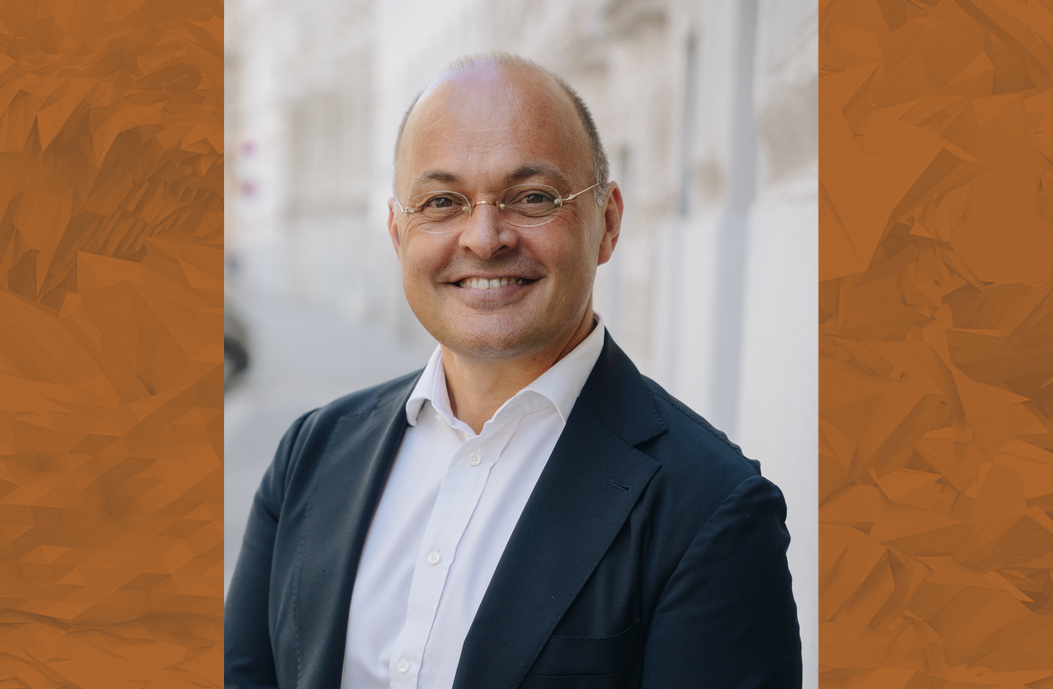
Bildnachweis: Wlanholding, AGE-X-Partners.
Will suffering in old age soon become a phenomenon of the past? Research and new business models in the field of healthy productive ageing are gaining strong momentum. What began as a therapeutic vision has grown into a cross-sector transformation: the convergence of biotech, consumertech, policy, and economics. This is no longer just about ‘adding years’ – it’s about making those years enriched, independent, and active.
Massive budgets are now being directed and re-directed: not only into novel therapeutic concepts that combine diagnostics, monitoring, and lifestyle interventions. The engine for commercial longevity innovation has been switched on – and the question is not whether this wave will come, but who will be able to afford riding it.
From Sci-Fi to real life: Longevity as a system shift
‘Cyborg’ arises as a short form of ‘cybernetic organism,’ which is an entity made up of both biological, social, and technical elements. What was once science-fiction – human-machine hybrids and futuristic images – is becoming reality faster than imagined. The world of ageing research is beginning to touch all fields of our lives. Like in the world of computers, our hardware – ‘the body’, software – ‘the mind’, and the operating system – ‘our lifestyle’ will see massive changes. Regions once considered outliers – the socalled blue zones – where people lived beyond 100 with minimal chronic illness, are no longer rare exceptions. They are becoming prototypes. 100 is the new 70, and 60 is the new 40 – at least in the parts of the world where access to healthcare, diagnostics, and preventative interventions is possible. This is not just a medical trend. It’s a megashift, accelerated by ageing populations and declining birth rates. It touches everything from retirement systems to urban planning. Below are selected snapshots of where we see the most promising – and investable – venture spaces emerging.
1. Healthy longevity as a business category
The trend: businesses are targeting the economic potential of older adults, who will control a substantial portion of global wealth. We will see entirely new spending behaviours as people realise that retirement no longer means a short final phase, but potentially four decades of travel, wellness, education, and engagement. This ‘third age’ economy will create new markets in financial services, nutrition, personalised care, luxury, and lifelong learning. Start-ups like Oura (wearables), Active Protective (fall detection), and voice-enabled health assistants for the home are showing how quickly these niches can scale. The question innovators may ask themselves: What does value creation look like when the average user is 75 – and active?
2. Diagnostics and prevention
The trend: the shift from treatment to proactive health monitoring, maintenance, and longevity extension drugs. Healthy ageing will be the next strategic use case for precision medicine. New diagnostics – from blood-based biomarkers to AI-enabled monitoring – are enabling early detection of age-related diseases and real-time tracking of physiological trends. Mass-spectrometry–based systems, for instance, are allowing physicians to pinpoint exactly where someone is along their disease journey. This will open a new paradigm of precise interventions for truly personalised medicine. Anti-ageing supplements are already one of the fastest growing segments in the food and nutrition industry. Precision medicine tailored to ageing biomarkers will be essential to stratifying population groups for impact. Still a bit further out, biohacking and longevity clinics will become competitors to traditional hospitals and recreation and hospitality offerings.
3. Reimaging senior living and learning
The trend: a shift from ‘old-style’ retirement homes to experience-rich, community-centred environments, coupled with efforts to bridge the digital divide through continuous learning opportunities for older adults. ‘Old style’ retirement homes or home-nursing solutions will increasingly become unaffordable. Co-living models for seniors and wellness-oriented retirement villages will become new experience-driven environments for a generation that will be mentally and physically fit well beyond 80. This fitness paradigm, fuelled by new continuous training and especially digital literacy programmes, will see for example tablets or interfaces designed for ease of use, subscription services for ongoing tech support, virtual companionship services, apps for cognitive training and social engagement. So, the new world of healthy, productive ageing will finally follow what Henry Ford already said in the last century: ‘anyone who stops learning is old, whether at twenty or eighty. Anyone who keeps learning stays young.’
4. Financial longevity and workforce reintegration
The trend: financial services are evolving to meet the needs of people living into their 80s, 90s, and beyond. We will see seniors stay in the workforce longer or returning post-retirement. The assumptions behind most pension systems were designed in the 20th century. They no longer hold. Life expectancy has increased by nearly two years per decade in many countries, but retirement models have barely evolved. The claim ‘die Rente ist sicher’ (Ed. note: ‘Your pension is guaranteed.’, quote from Norbert Blüm) has lost its foundation. Financial services must now innovate for longevity. Expect to see new products like longevity insurance, transparent reverse mortgages, and age-adapted savings tools. But even with better planning, ageing will be unaffordable for many – especially in systems that rely heavily on public provision. This will require a shift in how we think about older people in the workforce. Reintegration will not be a luxury or hobby. It will be a societal
necessity. Start-ups offering reskilling, fractional work, and employer tools for age-diverse teams are emerging fast. Investors should pay attention: this isn’t ‘silver economy’ – it’s foundational economic infrastructure.
5. Lifestyle and mobility for older consumers
The trend: the ‘pro-age’ movement is massively rejecting anti-ageing stigma and promoting confidence at any age. New lifestyles will also require aging-friendly transport services, especially in suburban and rural areas. Writing about botox or surgery interventions would not feel like talking about ideas from the past, as these are in the meantime well-established industries, underlying the trend that we simply do not want to ‘look and move around’ like old people. We will see a massive rise of pro-age beauty brands, fashion lines designed for 60+ body types, influencer marketing with ‘silver’ ambassadors to just mention a few business opportunities in this space. And before we all use ‘self-driving’ cars, we will see a series of, for example, e-bikes or adaptive scooters for
older adults, or subscription-based mobility solutions with concierge-style support.
No longer just a biological question: Longevity is a societal equation
How do we innovate for longer lives – and make them sustainable, inclusive, and scalable? The breakthrough therapies are coming – from BlueRock’s cell therapy for Parkinson’s to precision ageing approaches for embryo implantation and fertility. But these innovations raise uncomfortable questions: who gets access? Who pays? Can public systems keep up? That’s why the longevity space may flourish first in private markets. The timelines are long, the impact is systemic, and public capital – often impatient – has struggled to price in such complexity. But that also makes longevity a deeply purpose-driven domain: like immuno-oncology before it, it may become biotech’s next rallying cry. This convergence – of medical progress, demographic reality, and financial innovation – offers a chance to reconnect biotech with the public good. But only if we design it that way.
About the author:
Dr Werner Lanthaler, CEO of Wlanholding and AGE-X-Partners, backs breakthrough tech
ventures, drawing on 25+ years of biotech and pharmaceutical CEO experience and multiple board roles.