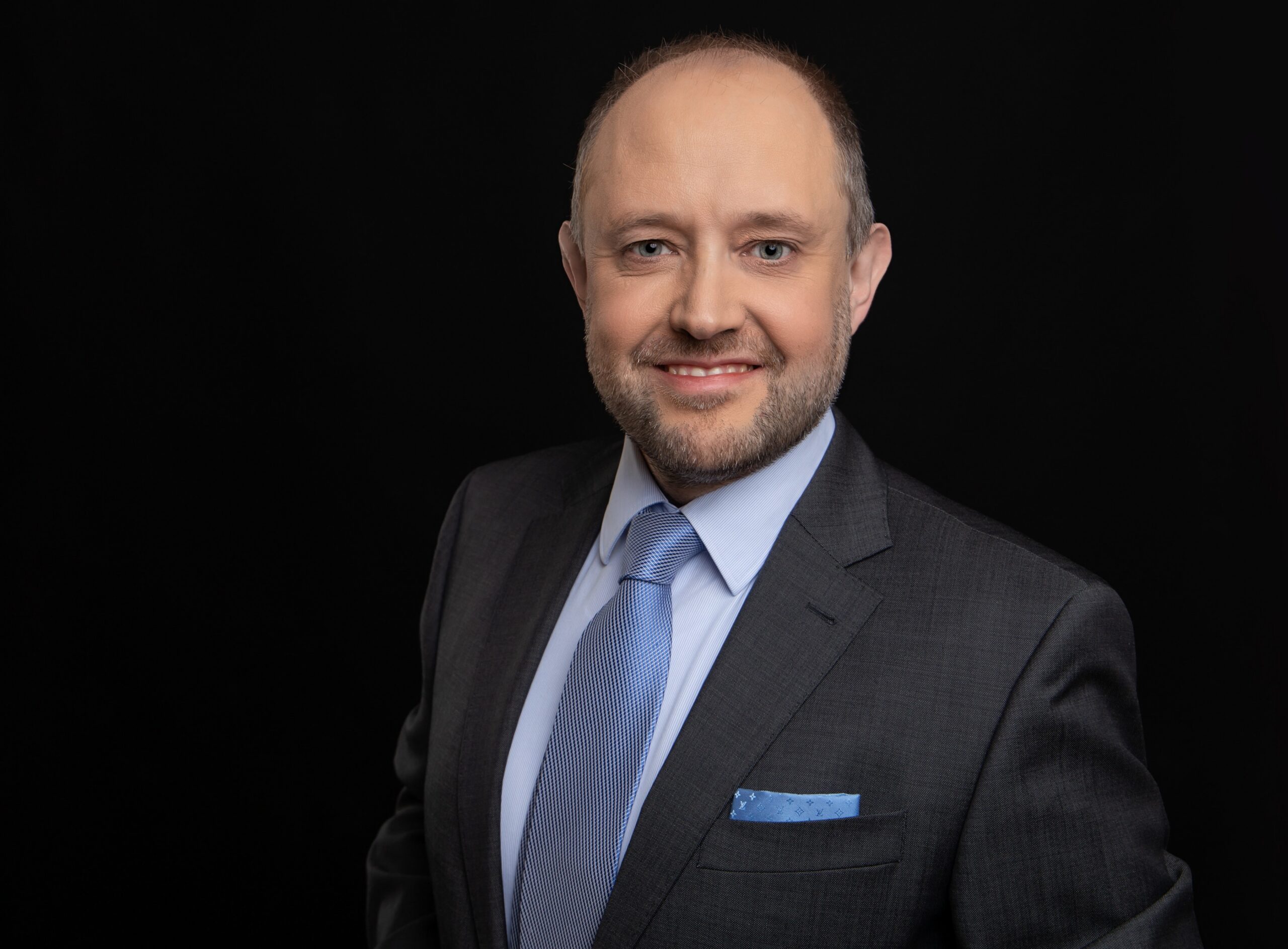
Bildnachweis: bm|t.
The current challenges in the medtech industry are diverse and of enormous significance. The biggest challenges at present are the global geopolitical situation, the regulatory and bureaucratic environments, as well as financing.
1. Geopolitical situation
Donald Trump’s decision to impose an import duty of 100% on patented pharmaceuticals has caused uncertainty and unrest amongst start-ups, particularly regarding the classification of certain products. This is particularly difficult for medtech companies that manufacture implants which release active ingredients. How is customs duty calculated? Is it applied to the total product price or only to the active ingredient? For example, is it 20% of the total price? This can make a significant difference. The economic climate has also cooled down in other regions of the world, including China. During the summer, a lead investor from China planned to acquire one of our holdings in full. However, they were unable to make an agreed milestone payment on time. Due to this late payment, the annual financial statements could not be audited. As a result, it was impossible to apply for certain fundings, which in turn led to a reduction in liquidity and ultimately to the insolvency of the investment. This shows how, in our globally connected world, events on a different continent can effect business in Germany and Europe.
2. Regulation and bureaucracy FDA approvals
One of our portfolio companies was confronted with the problem of FDA approvals being increasingly delayed due to the massive job cuts under Trump. In February 2025, an Investee partner submitted a so-called 513(g) request (‘Request for Classification’) to the FDA. The standard processing time was 60 days. There has been no response.
EU regulations
Changes to EU regulations can also pose a threat to the existence of start-ups, especially in regards to changes in the calculation of equity capital. Silent partnerships, shareholder loans, and subordinated loans with qualified subordination could previously be added to economic equity. As this is no longer possible, many companies risk sliding into negative equity, which means that they are classified as UiS (companies in difficulty) despite being solvent. This in turn means that they no longer qualify for state subsidies such as grants and investment subsidies. Furthermore, we, as the investment company of the Free State of Thuringia, are no longer allowed to invest in these companies. As a result, liquidity problems gradually build up, which can lead to insolvency. This also effects companies who have viable business models, but fail due to formal conditions.
Reimbursement in Germany
Many medtech start-ups, especially in the digital health sector, are dependent on their products/services being reimbursed by health insurance providers as part of standard care. There are two options for this: concluding selective contracts with each individual health insurance company or using a so-called DiGA (‘Digitale Gesundheitsanwendungen’ – Editorial Note: Digital Health Applications (DiGA) are digital medical devices reimbursed by statutory health insurance in Germany). As there are many statutory and private health insurance funds in Germany, this process is very lengthy and heterogeneous. The introduction of DiGA, on the other hand, promised rapid reimbursement. This is why DiGA were initially hailed as supposedly simpler and cheaper. Many people believed this and invested. The results are disappointing. The inability to plan costs was and is a major point of criticism from the statutory health insurance providers. The pressure exerted by the health insurance funds on admission criteria led to a significant tightening of the admission
requirements. As a result, well-made products that previously met requirements no longer obtain approval under new DiGA standards. Therefore, DiGA have effectively failed. Start-ups have no other option but to negotiate with each individual health insurance fund. This is very time-consuming, resource-intensive, and therefore leads to a higher need for additional financing. Investors are not always prepared to do this, which is why many start-ups fail within medtech.
3. Alternative forms of financing
Many founders want to avoid diluting their equity, especially when reaching the break-even point, and therefore look for alternatives such as venture debt. Venture debt providers carry out detailed sales analyses and require a positive EBITDA forecast. As a result, many start-ups are eliminated from the selection process. Those that remain should carefully consider whether this form of financing is actually suitable, as patents are often required as collateral. This has a negative impact on the company’s valuation in subsequent financing rounds, which can mean that further financing requirements can no longer be covered. This raises the key question: what impact does venture debt have on a potential future financing round, and is it really a suitable alternative to equity financing?
Conclusion
Due to the aspects described above, and known demographic trends, healthcare costs are exploding. This is why innovative ideas are needed that break-up entrenched structures and create new opportunities. Start-ups in the medtech sector in particular are developing products and services for prevention, diagnostics, and personalised medicine that could make people healthier and thus save considerable costs. That is why it is important for bm|t to provide these start-ups with the best possible support during turbulent times.
About the author:
Michael Thiele is a Senior Investment Manager at bm|t, with over 18 years’ experience
in venture capital and private equity. bm|t has been actively investing for over 20 years as the investment company of the Free State of Thuringia, with EUR 445 million AuM across twelve funds.