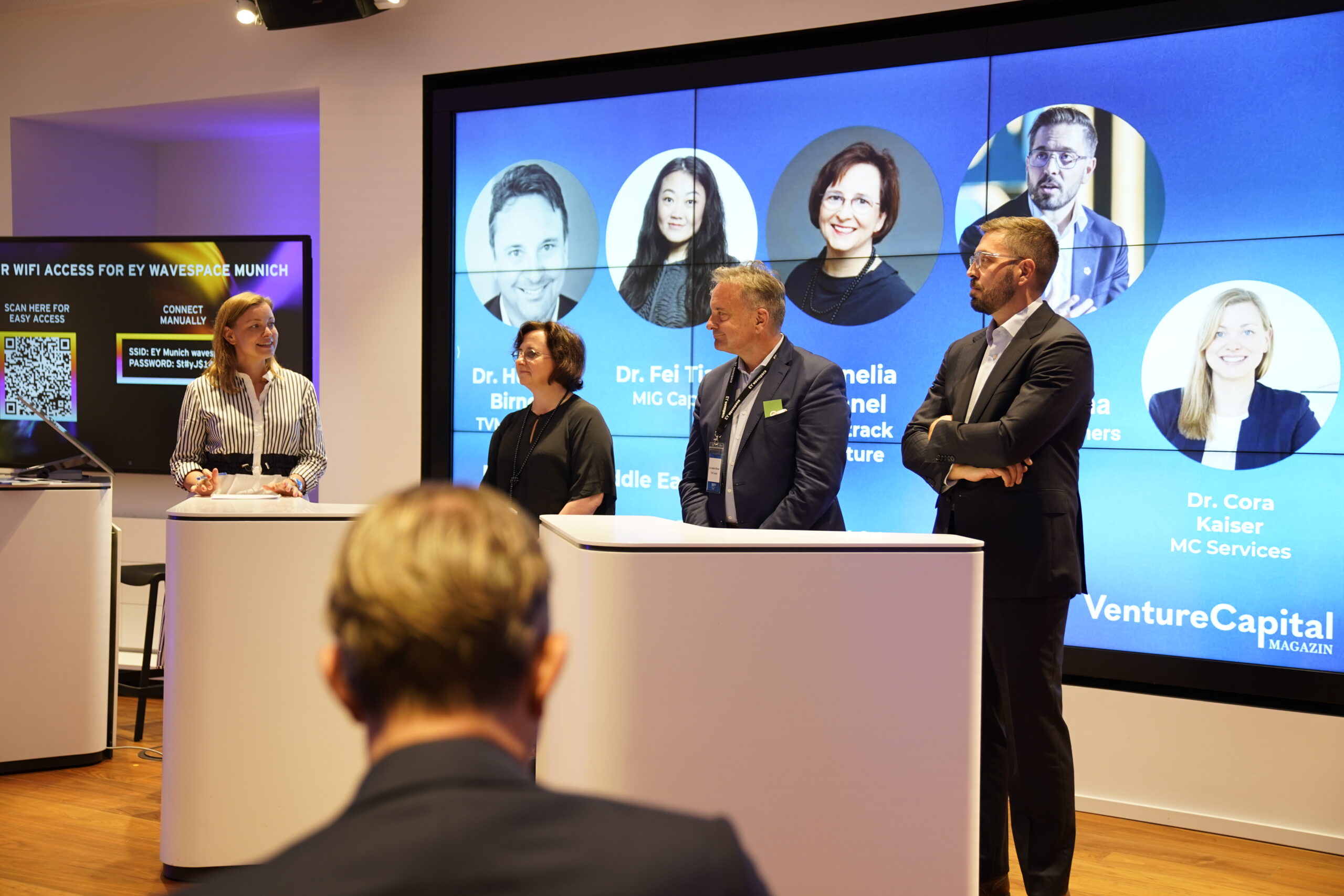
Bildnachweis: VC Magazin.
Germany conducts world-class research, but faces a critical gap in scale-up capital. While regulatory frameworks are still being debated here, other regions are already creating facts on the ground. At the inaugural ‚Impact Life Sciences Deep Dive‘ hosted by EY and VentureCapital Magazin in Munich, hard market data met pragmatic solutions. The verdict: Any biotech start-up looking to scale must also cast its gaze towards Asia and the Middle East – and bring more to the table than just the hope of a quick cash injection.
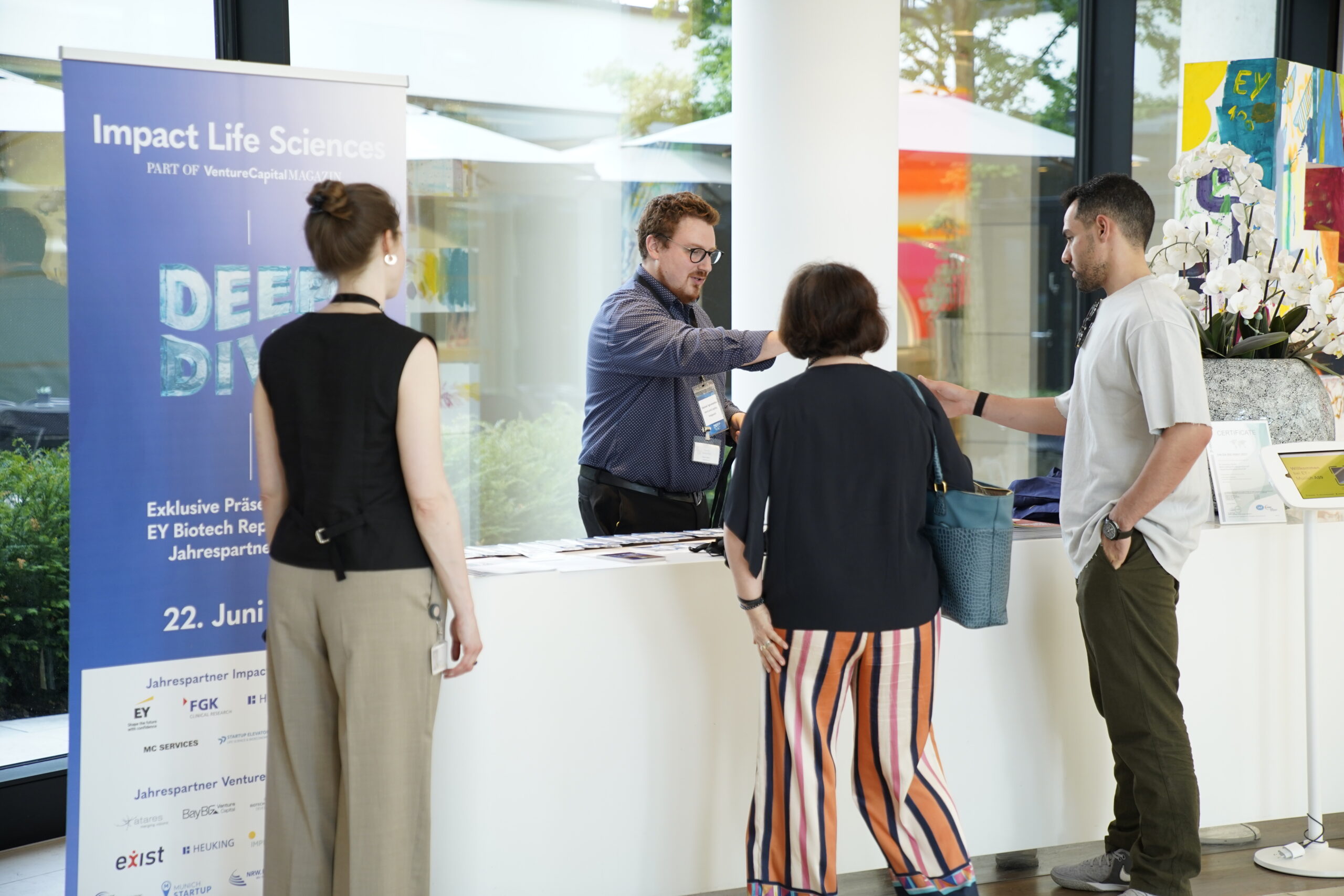
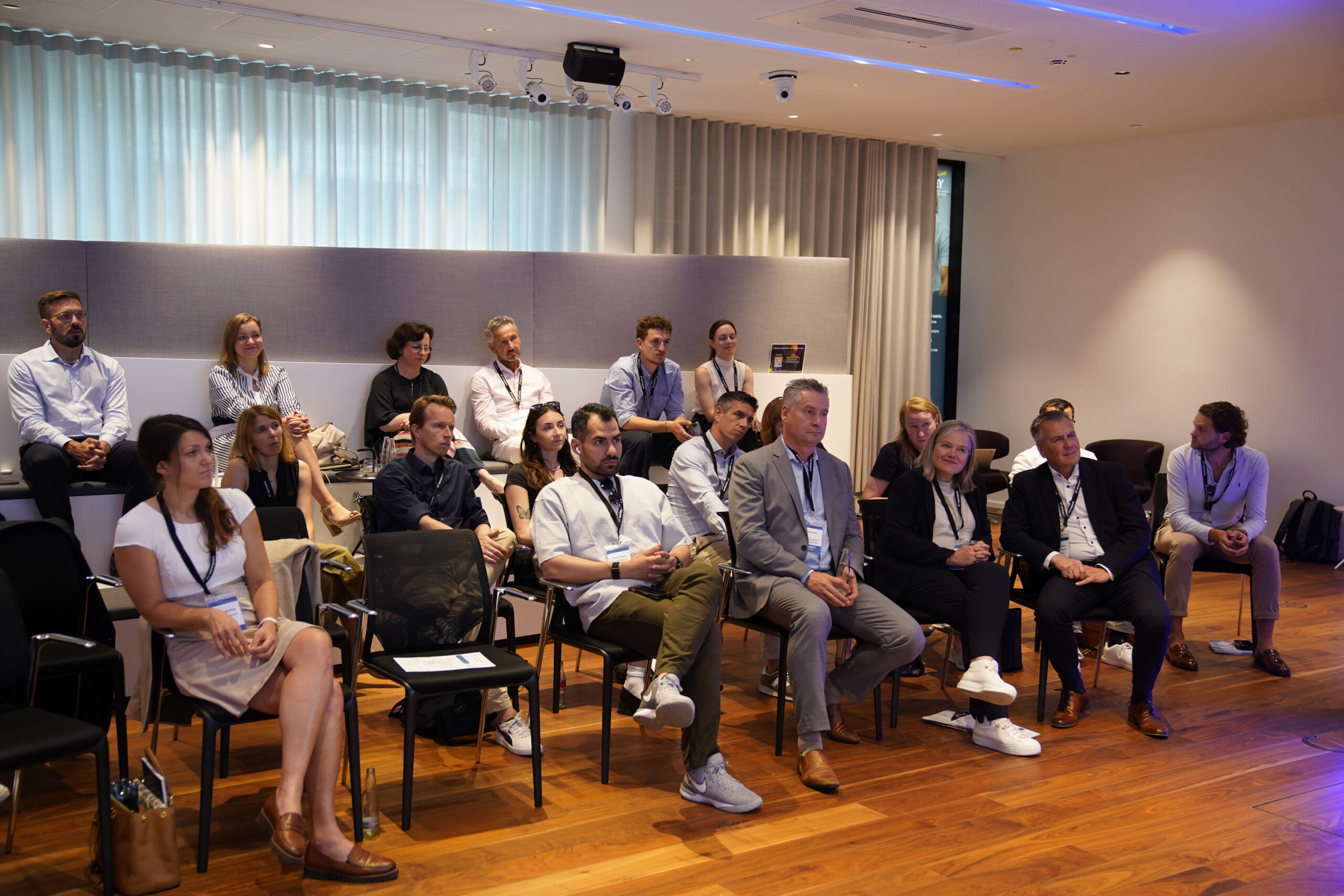
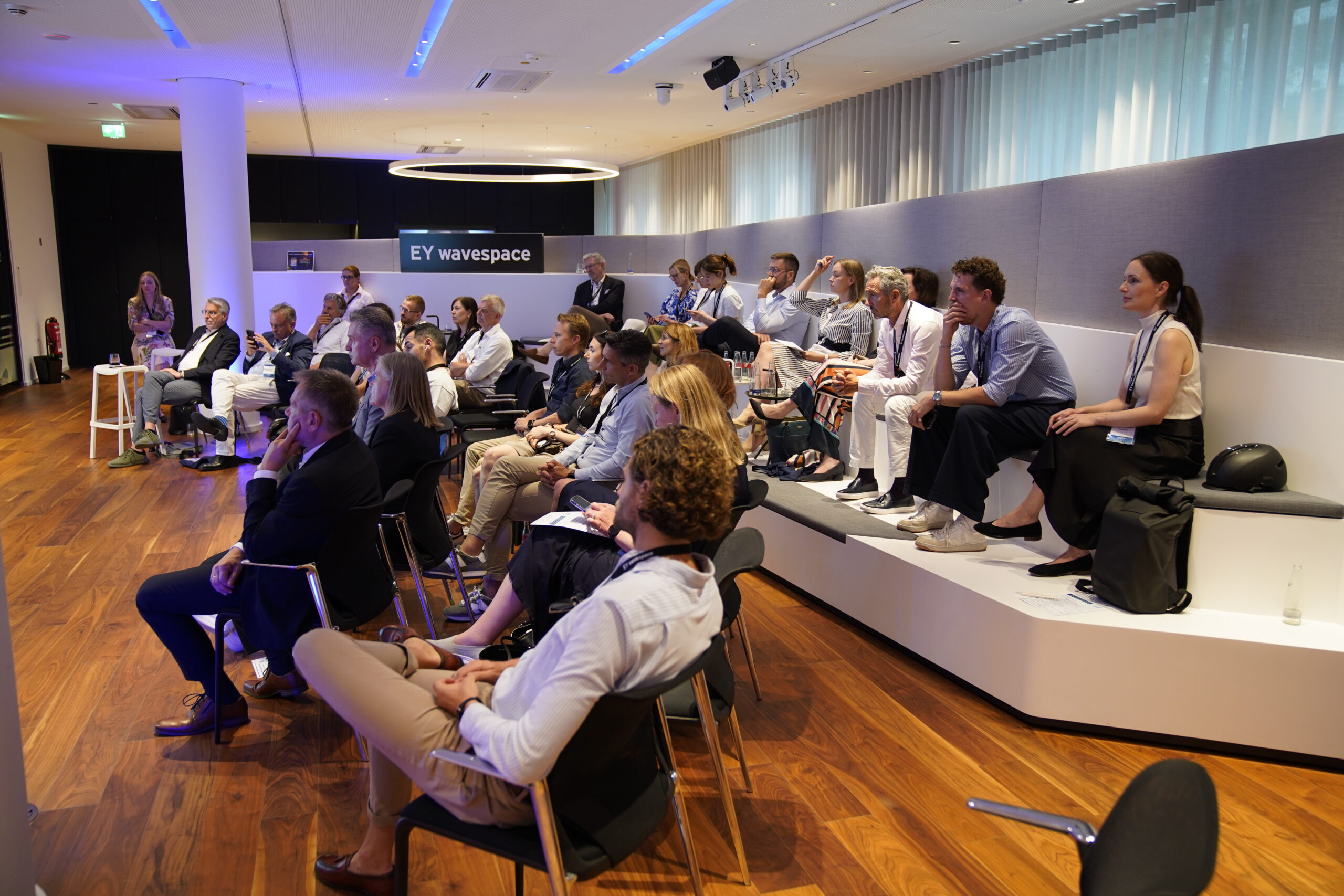
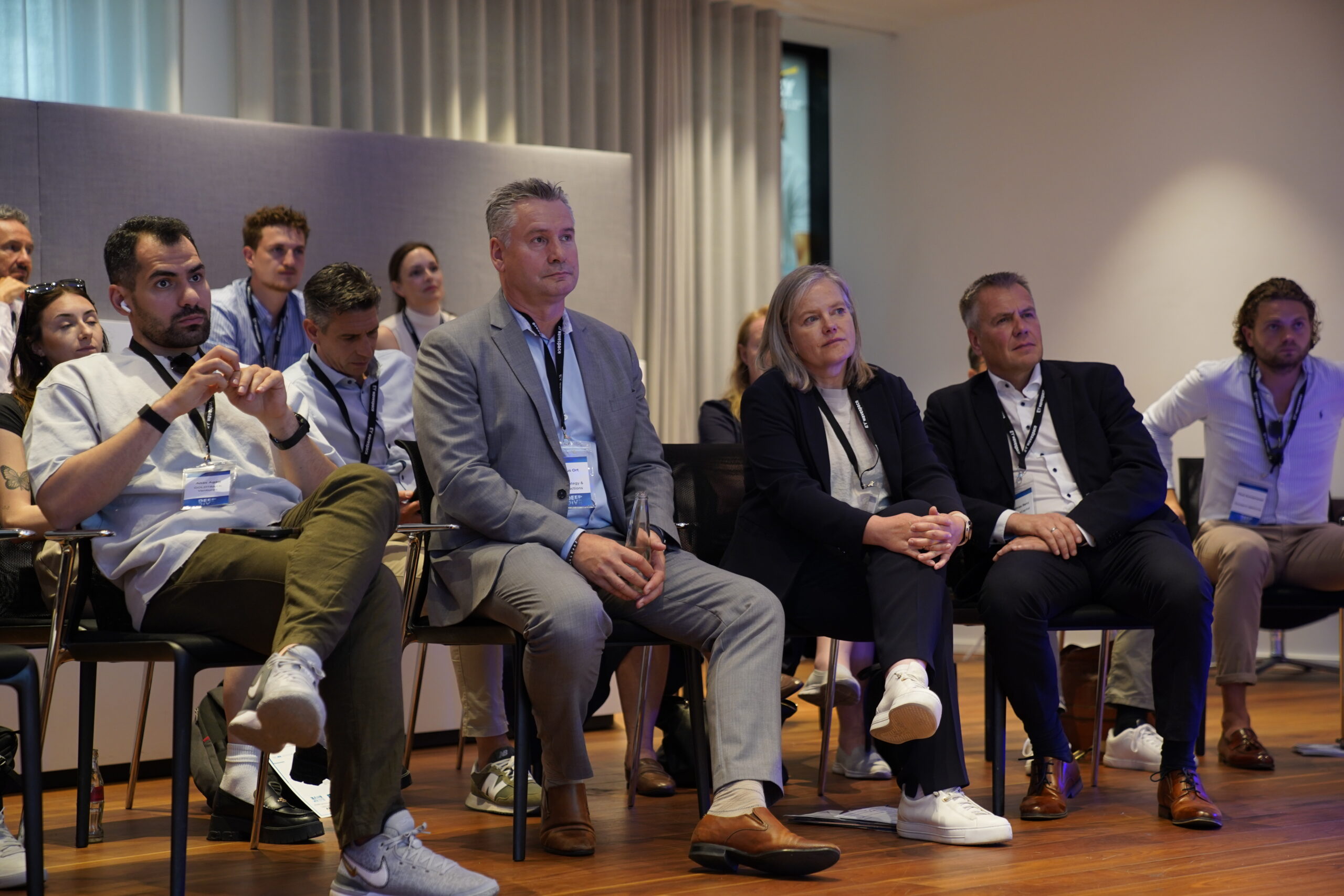
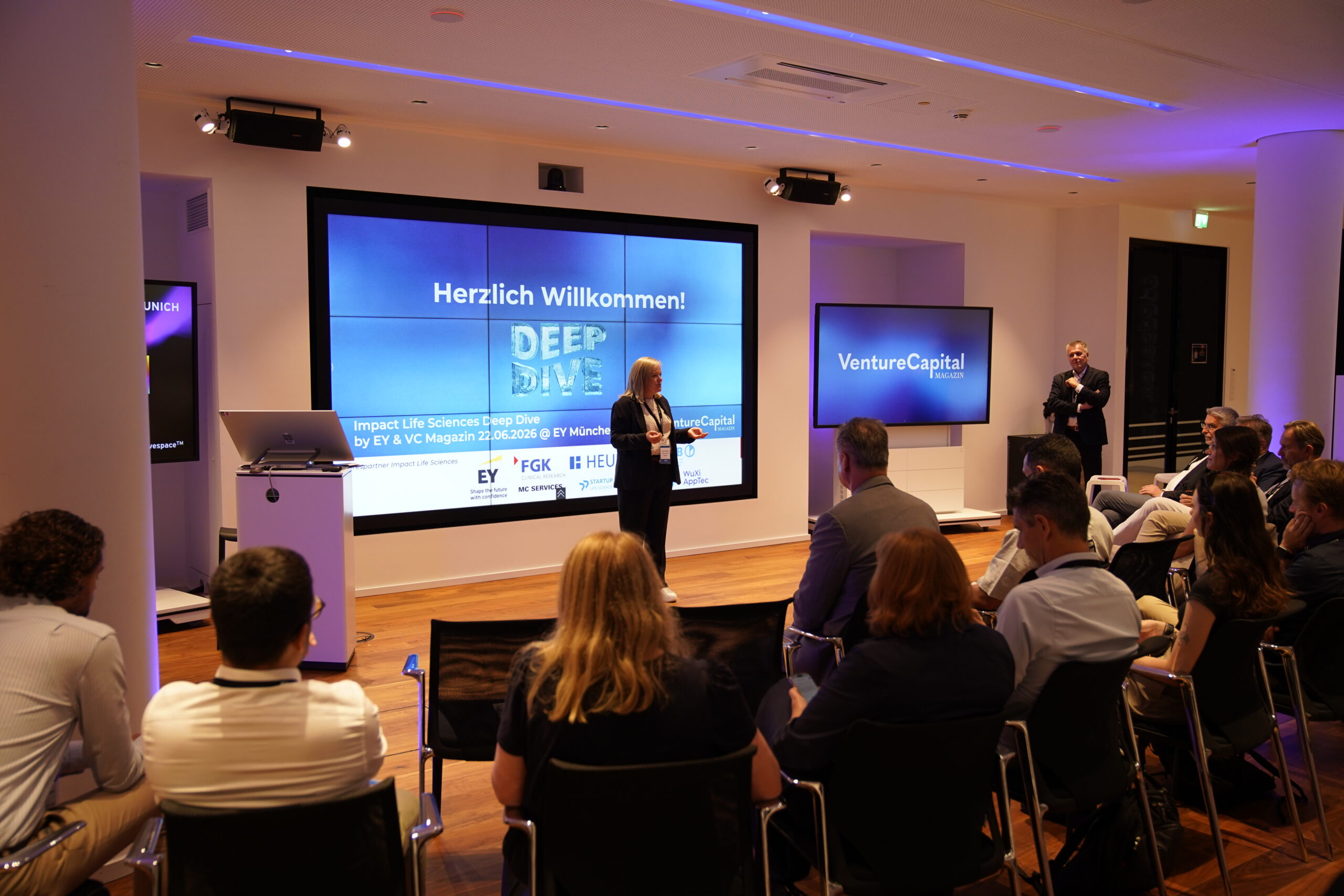
On 22 June 2026, Munich sweltered in midsummer temperatures of 32 degrees Celsius. In the perfectly air-conditioned premises of the EY wavespace Munich, a pioneering event format celebrated its exclusive premiere: Around 50 hand-picked decision-makers – including a select circle of investors, scientists, leading experts, as well as the annual partners of Impact Life Sciences and VentureCapital Magazin – gathered for the ‚invite-only‘ launch of the first ‚Impact Life Sciences Deep Dive 2026‘.
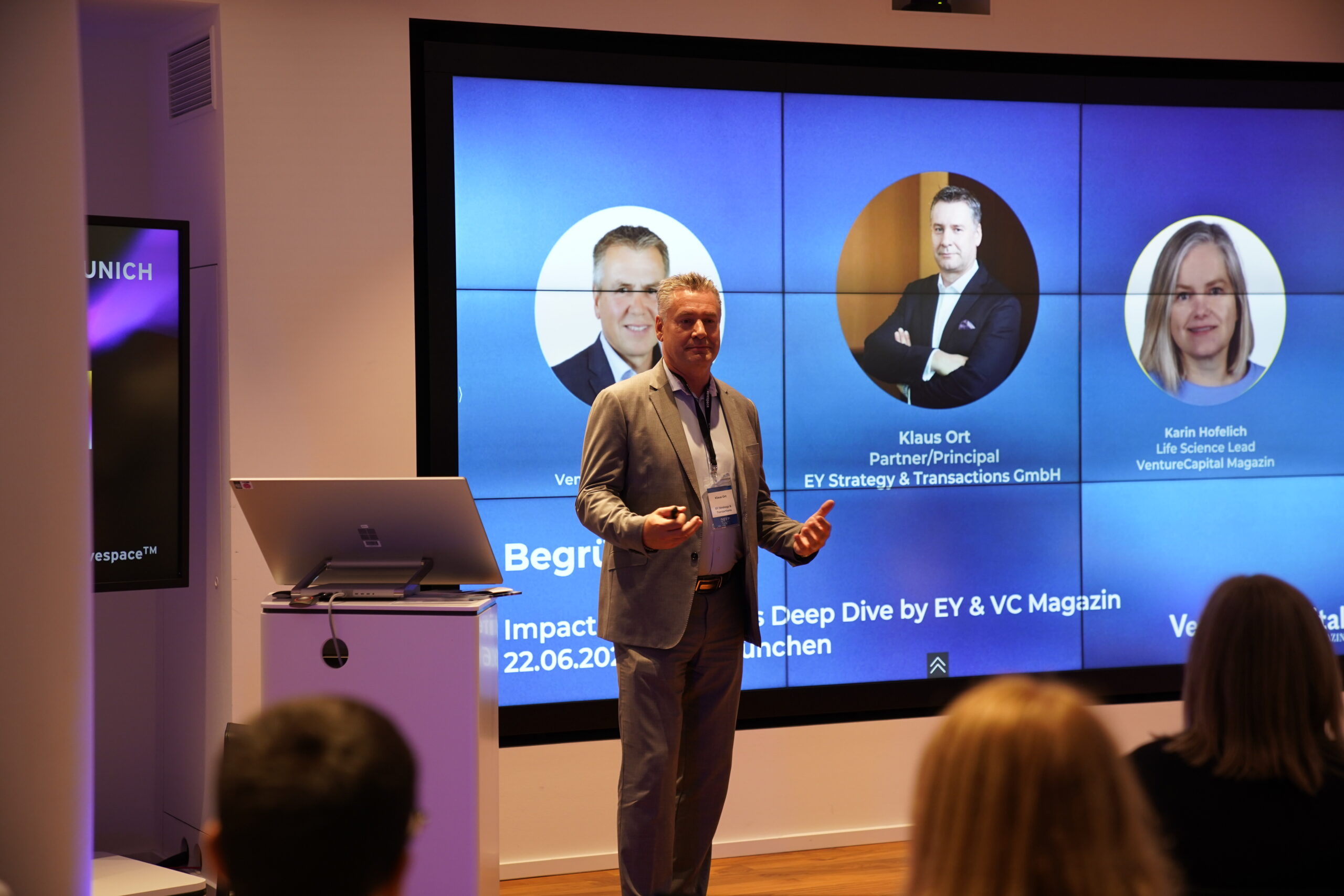
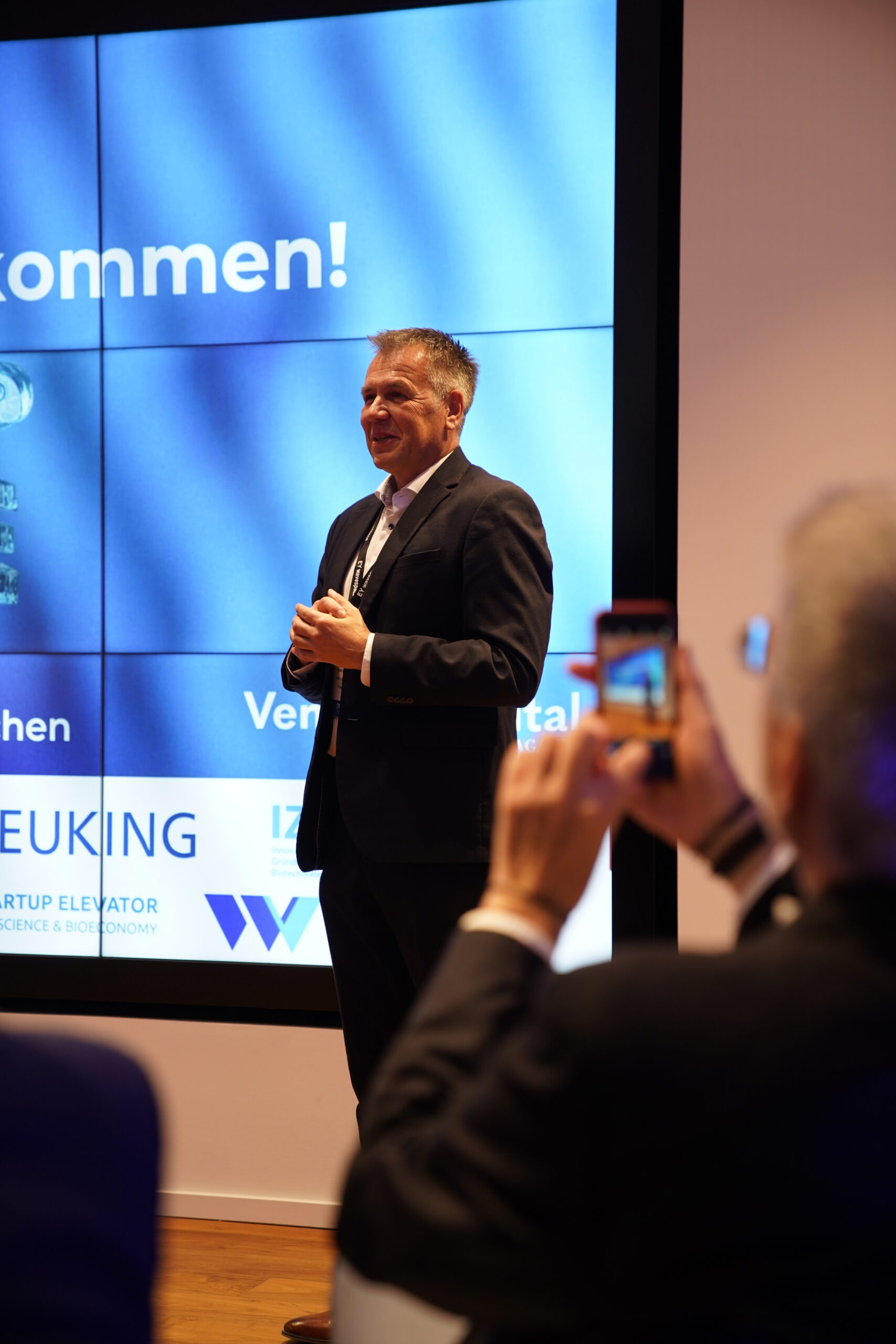
The programme offered a tripartite approach, bridging the national status quo with regional strengths and global opportunities. Following welcoming remarks by Karin Hofelich (Life Science Lead), Mathias Renz (Head of VentureCapital Magazin), and Klaus Ort (Partner/Principal, EY), the EY German Biotechnology Report 2026 and the BioM annual report ‚Biotech in Bavaria 2025/26‘ set the scene. The core finding: Excellent domestic science all too often encounters a chronic funding deficit in later stages within Europe.
EY Report 2026: The Funding Collapse in the Growth Phase
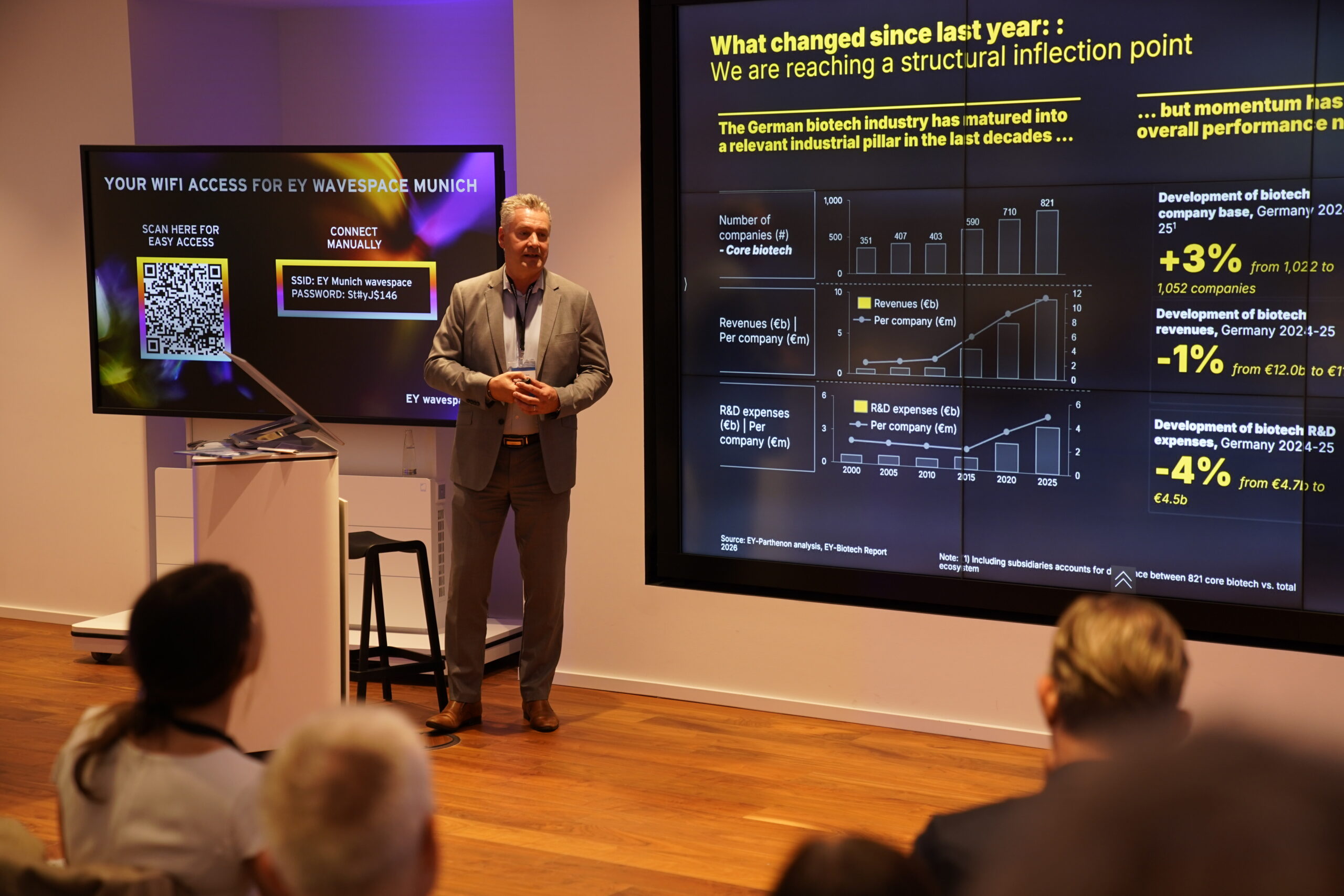
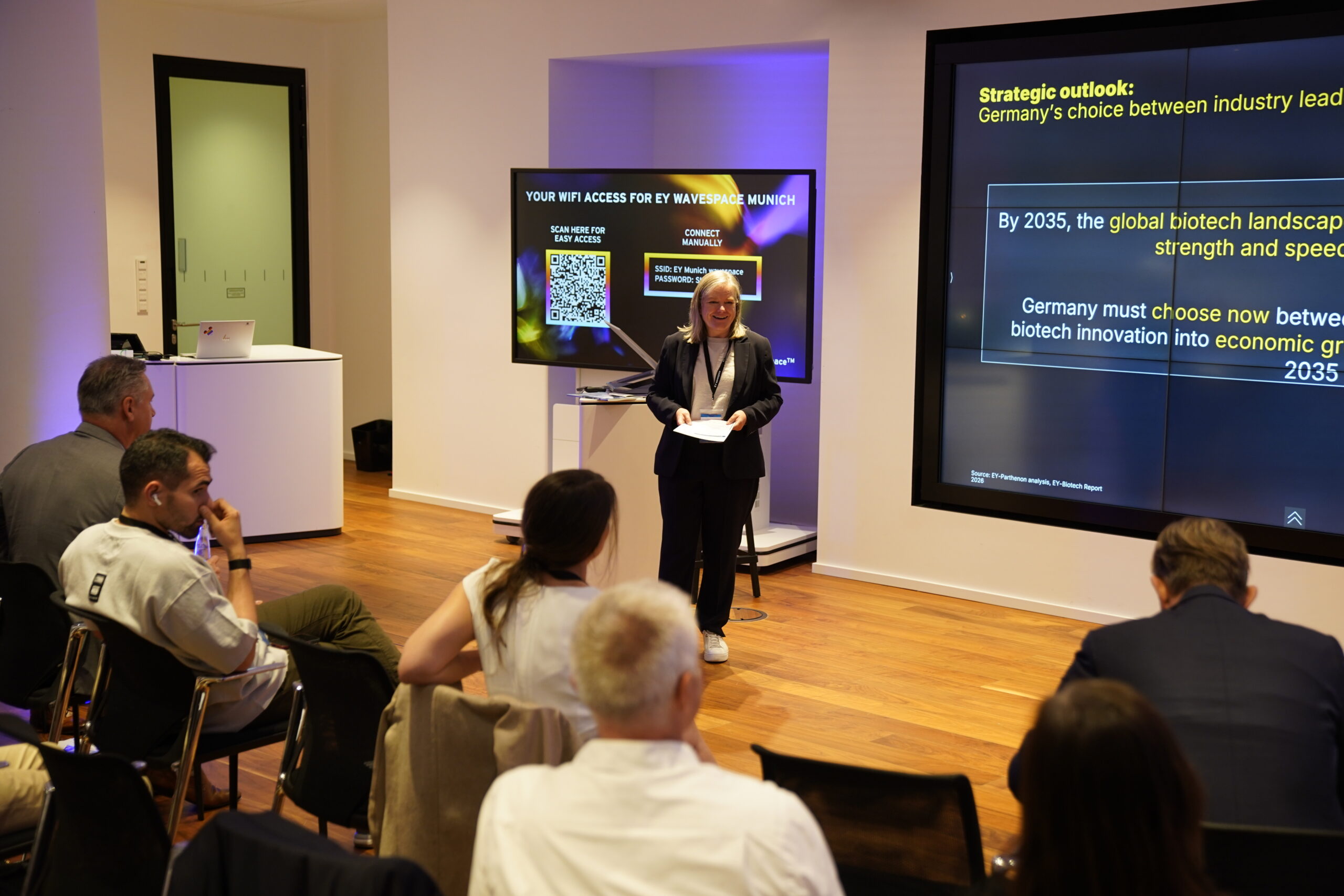
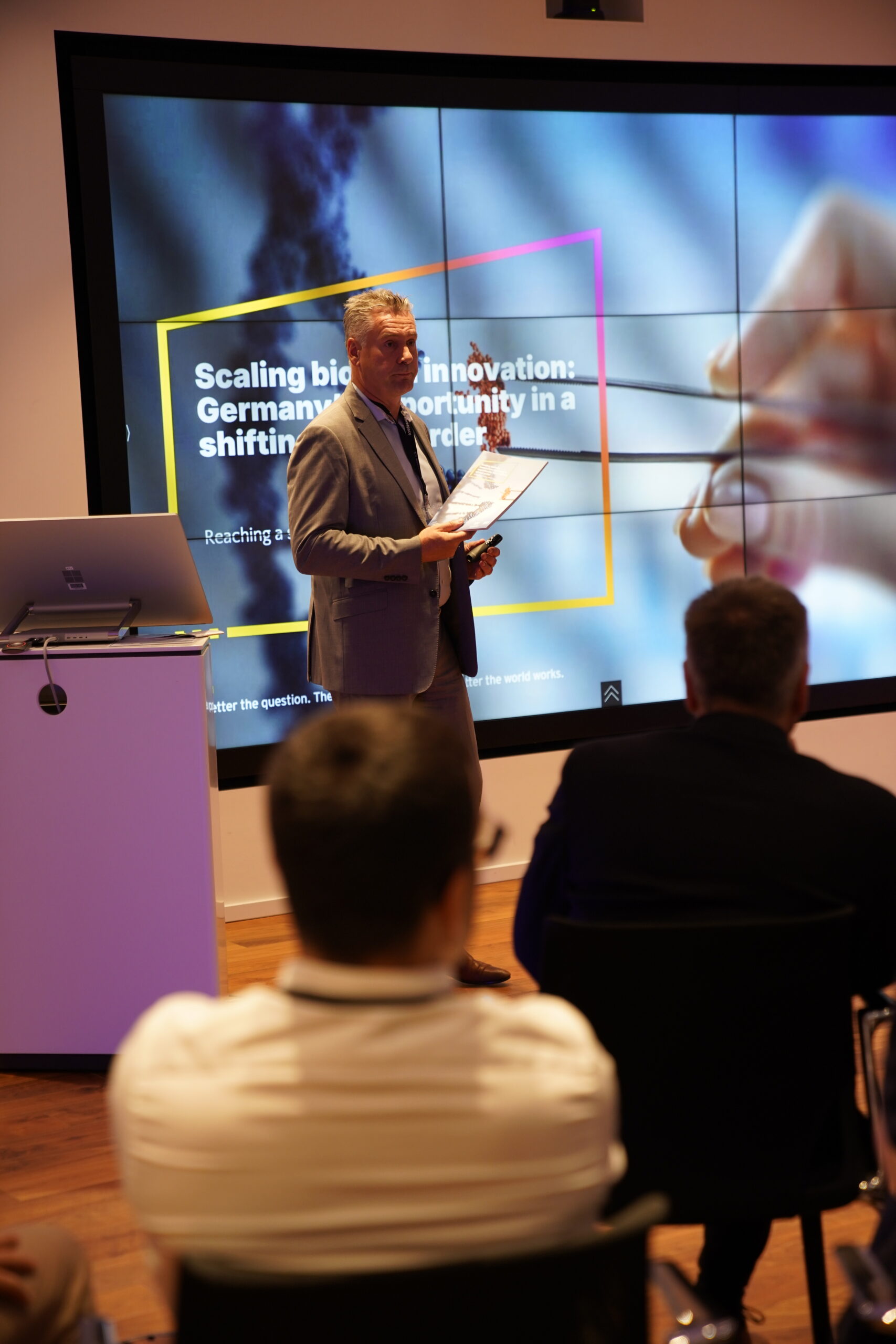
Klaus Ort (EY Strategy & Transactions) kicked off proceedings by presenting the German Biotechnology Report 2026. The report illustrates that German biotechnology remains structurally robust and a stable, central driver for innovation and healthcare. At the same time, however, Ort issued a crucial wake-up call: Germany stands at a strategic turning point. The country must decide whether to translate biotech innovations into economic growth or be relegated to a mere ‚global laboratory‘ without its own industrial value creation by 2035.
It is true that Germany boasts outstanding scientists and a solid pipeline of 118 clinical Phase II trials (an increase of 53% since 2012). Yet, commercialisation is lagging significantly. Ort substantiated this with alarming data: Although the German sector raised EUR 1.8 billion last year, pure venture capital investments in German biotechs plummeted by 33% to EUR 601 million. Furthermore, capital was heavily concentrated: 71% of total VC funding flowed into just three rounds. Particularly dramatic is the collapse in Series B financing, which plunged by 96% to a mere EUR 7 million. The route to an IPO also remains blocked – for the fourth consecutive year, there was no German biotech IPO.
While the US mobilised around EUR 14 billion in VC capital in 2025 and Europe as a whole raised EUR 4.9 billion, Germany fell far behind with EUR 0.6 billion. ‚We invest in ideas in this country, whereas abroad they invest in success,‘ was Ort’s pointed conclusion.
In the absence of domestic late-stage funds, the sector is currently driven primarily by alliances. Upfront payments reached a record high of EUR 10.5 billion in 2025, largely propelled by the mega-deal between BioNTech and Bristol Myers Squibb. To broadly catch up with the backlog, Ort demanded a decisive breakthrough: Drug approval takes longer in Germany than anywhere else in Europe. Moreover, there is an urgent need to mobilise domestic institutional capital, such as pension funds, which are entirely absent from the biotech sector here. Simultaneously, Ort also held the start-ups accountable: In a fiercely competitive market, highly professional investor relations and crystal-clear business cases are absolutely essential to secure fresh capital. Otherwise, there is a risk of a premature sell-out: If domestic scale-up funding is lacking, promising companies will migrate abroad or be forced out of necessity to sell their innovations too early to international investors.
Controversial Dialogue: Properly Positioned for Global Rules of Play?
Following Ort’s presentation, a lively discussion ensued, underscoring the urgent need for action within the ecosystem. One participant even expressed the fear that, due to ossified structures, Germany might not manage to simplify regulations and introduce bureaucratic relief in time. All the more emphatically, Dr Hubert Birner (TVM Capital) and other attendees called for a pragmatic adaptation of the domestic sector and its (lead) investors to the shifting global rules of play.
Regarding the declining VC figures, Dr Birner offered his customary analytical perspective: ‚The financial resources are intrinsically available in the market, but today they follow stricter criteria.‘ For this very reason, the expert consensus deemed it fundamentally important that established investors and the existing ecosystem lead by example. Intensive persuasive efforts are required so that other financiers clearly recognise and understand the inherent value of biotech assets, prompting them to actively invest once again.
In addition, Dr Rosi Hermann (Fundess) pointed to a tool often underestimated in practice: Many companies still neglect the R&D tax allowance. Yet, this valuable funding instrument offers an excellent option to conduct research more intensively, effectively, and thus successfully – and entirely without forfeiting valuable company shares (non-dilutive funding).
Biotech in Bavaria 2025/26: Start-up Boom in the Powerhouse
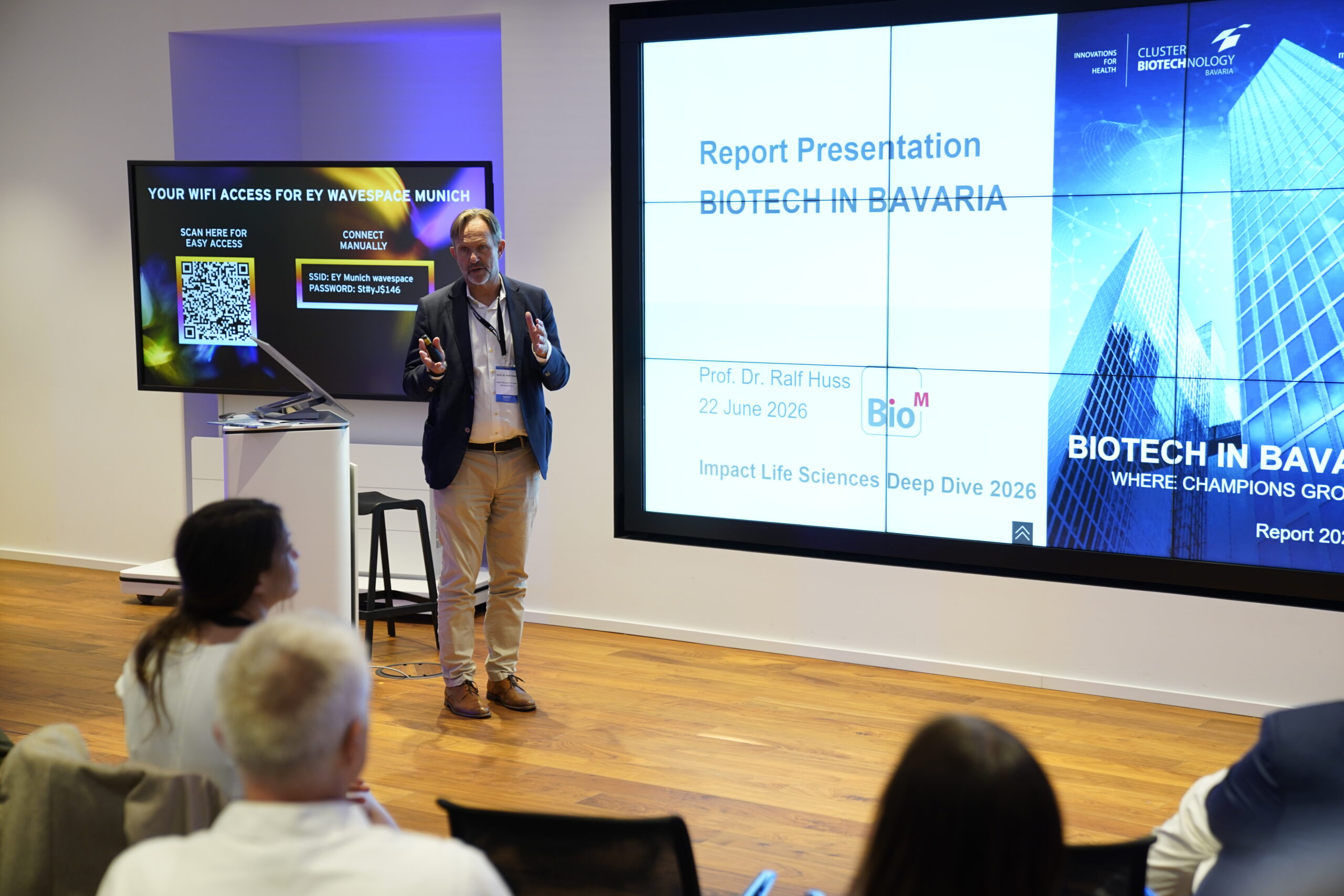
The annual report ‚Biotech in Bavaria 2025/26 – Where champions grow‘, presented by Prof. Dr Ralf Huss, provided regional depth. The greater Munich area is cementing its role as a globally competitive top location and central innovation engine: Bavarian biopharma companies were able to raise a record EUR 930 million in financing and subsidies in 2025. However, the south also suffers from the nationwide shortage of late-stage capital and is heavily dependent on foreign backers for large scaling rounds.
Conversely, start-up activity in the early phase is developing exceptionally positively: With 26 newly founded start-ups, the Bavarian sector recorded an increase of 62.5% compared to the previous year, accounting for roughly a third of all start-ups in Germany. To tackle the translational challenge at its root, the cluster organisation BioM is intervening directly in the laboratories. Huss emphasised that they are actively introducing excellent scientists to the concept of founding a company. Through targeted incubator programmes and mentoring, the gap between academic research and company creation is to be closed more rapidly in the future.
Panel Middle East & Asia: The Global Strategic Response
The imperative response to the European capital shortage was delivered by the ‚Deep Dive: Middle East & Asia‘ panel. Moderated by Dr Cora Kaiser (MC Services), three experts of international markets led the discussion: Cornelia Jahnel (Goldtrack Venture), who is establishing the first registered growth fund for industrial biotechnology in Saudi Arabia; Dr Hubert Birner (TVM Capital), who was instrumental in co-launching one of the first German biotech funds for China back in 2015; and Ivo de Maddalena (Axis Bio Partners), who previously spearheaded international life sciences partnerships for the Saudi mega-project Neom. The experts outlined a fundamental paradigm shift.
From Sales Market to Innovation Partner
Asia and the Middle East have long ceased to be merely sales markets. According to Birner, China has evolved from a pure contract manufacturer into an innovation hub through a strategic ‚Innovation 2.0‘. Saudi Arabia is currently undergoing a similar phase – albeit at an unprecedented pace. Driven by Vision 2030, colossal capital is flowing into the sector via sovereign wealth funds like the PIF (with approximately one trillion US dollars under management).
Hard Lessons from the Field
An interjection from the audience demonstrated that money alone cannot be taken for granted: A founder reported that, despite concrete localisation plans, she was unable to raise capital in the Middle East – her cell therapy company was ultimately financed from China. De Maddalena provided the explanation: Many Saudi family offices are rooted in real estate and expect a positive EBIT after only a few years. His advice for fundraising in the Middle East: Instead of protracted early-stage research, ‚a Phase III makes the most sense‘ in order to firmly establish clinical activities locally. Furthermore, the region is opening up significantly to sectors beyond medicine, such as precision fermentation to ensure national food security.
Which Deal Structures Work
Cornelia Jahnel warned against simply trying to raise money in the Middle East for European domestic operations; true localisation is required. Because the region lacks ‚local execution capabilities‘, they are actively seeking out robust European SMEs based on the formula: ‚What they don’t have, you bring to them.‘ For international success, robust substance must be coupled with strategic partnerships and ’strategic patience‘.
For China, Dr Birner outlined a radical licensing model: Since European healthcare systems can barely afford expensive innovations anymore, founders should out-license early-stage compounds to financially strong Chinese partners. They can scale innovations globally and bring them to market readiness more cost-effectively. Birner noted pragmatically: ‚The main thing is that it works.‘
Geopolitical De-Risking
Geopolitically, Saudi Arabia offers massive ‚de-risking‘: The country is an ICH member, meaning clinical data collected there is directly relevant for the FDA and EMA. Thanks to a Mutual Recognition Agreement (GCC), a single approval in Saudi Arabia or the Emirates unlocks access to a combined market of over 300 million people across 22 countries.
Roadmap for the Autumn
The ‚call to action‘ demands ’strategic patience‘ from European players. Jahnel advised VCs and founders to leverage the autumn conference season in Saudi Arabia for networking, for instance at the RTMBS (September), the Global Health Exhibition (October), or the inaugural Bio (December). The fitting closing remark was delivered by Dr Birner: To compete globally, we must ‚look more to the East rather than always solely to the West‘.
Conclusion: Networking on Equal Terms
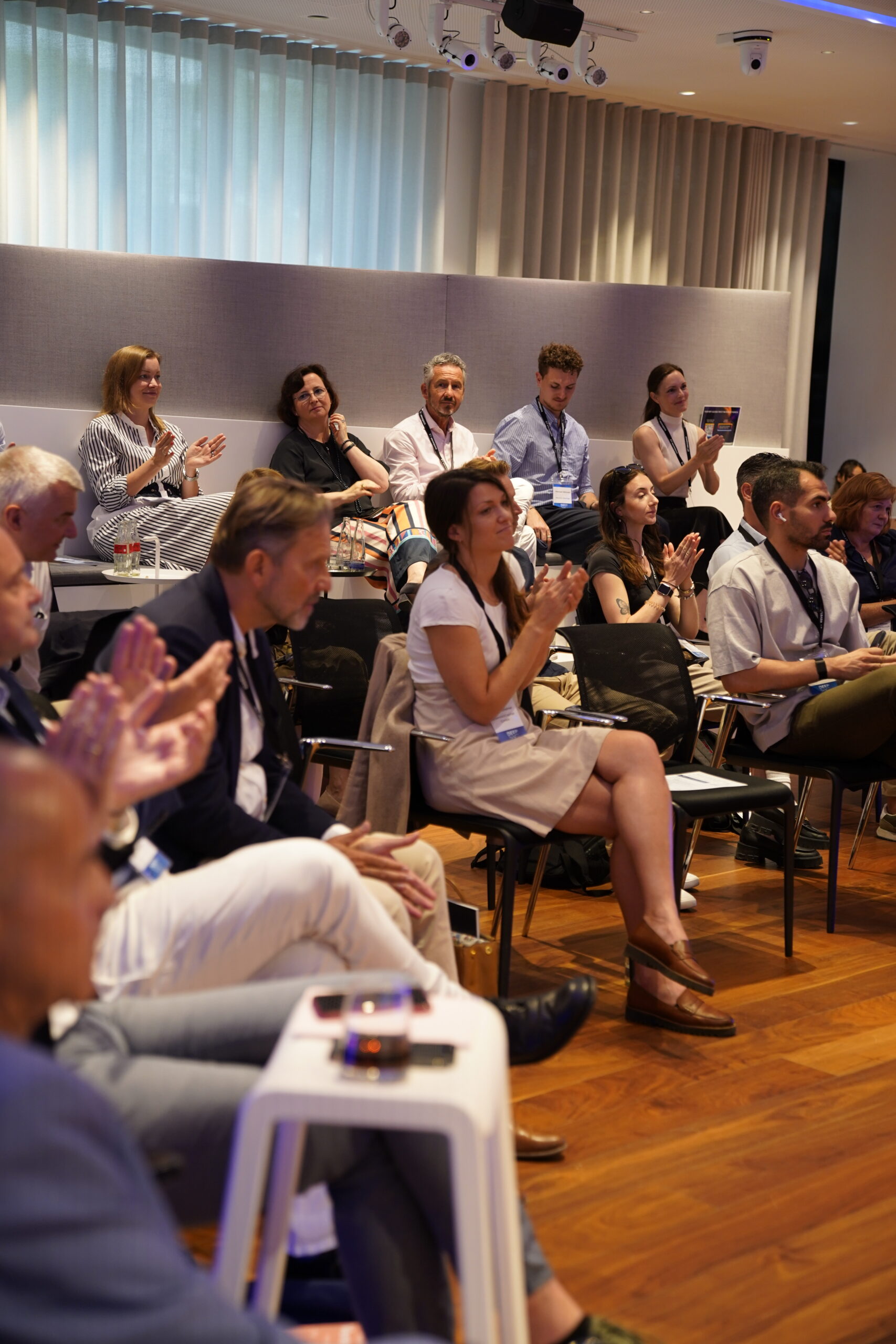
The subsequent get-together at the EY wavespace Munich provided the transition into practice. Over chilled drinks and food, attendees thoroughly utilised the opportunity for in-depth conversations and networking. The dynamism in the room clearly demonstrated that personal exchange on equal terms is more vital than ever in volatile times. A special thanks goes to the esteemed annual partners – including EY-Parthenon, FGK Clinical Research GmbH, HEUKING, IZB – Innovation and Start-up Center Biotechnology, MC Services, Startup Elevator, WuXi AppTec, and many more – whose continuous support makes all these activities possible in the first place. For the new ‚Impact Life Sciences Deep Dive‘ format, this afternoon was a thoroughly successful launch – one of which the ecosystem would gladly see more in the future.
Editorial Outlook
The VentureCapital Magazin team will continue to closely monitor the core strategic regions and financing trends. You can already look forward to exclusive video interviews straight from the event on our video channel. An even deeper dive into global market dynamics also awaits you in our upcoming major VentureCapital Magazin special edition ‚Impact Life Sciences‘, published perfectly in time for the autumn conference season on 18 September!
Author: Hans Luthardt | [email protected]